
Buying a Home at The Grow Orlando: Costs, Lots, Floor Plans and Buyer Considerations

The Grow is one of the most distinctive new-construction communities currently selling in East Orlando, but buyers should evaluate more than its working farm and farmhouse architecture. The important questions involve the complete price, homesite position, floor plan, recurring expenses, amenity timeline, builder contract, financing incentives and future resale competition.
Before visiting the sales center, decide whether you want independent representation. The builder’s sales team represents the builder, and registration policies may limit your ability to bring in your own agent after the first visit.
Start With the Complete Cost—not the Website Price
A published starting price is useful for identifying a general price range. It is not a complete purchase estimate. The final price of a new home at The Grow may include several layers.
| Cost layer | What buyers should ask |
|---|---|
| Base price | What is included in the standard home at today’s published price? |
| Homesite premium | Does the lot carry an additional charge for size, view, orientation or location? |
| Structural options | Which layout changes must be selected before construction begins? |
| Design selections | Which flooring, cabinets, countertops and finishes are standard? |
| Closing expenses | Which costs are paid by the buyer, builder or affiliated provider? |
| HOA expenses | What is the current fee, what does it include and can separate fees apply? |
| Insurance and taxes | What should be used for a realistic monthly-payment estimate? |
| Post-closing items | Are appliances, window coverings, fencing, gutters or other items excluded? |
A buyer comparing The Grow with a resale home should compare the completed monthly and upfront cost—not a builder’s base price against a resale home that already includes improvements.
The Five Collections Serve Different Buyers
Pulte currently markets five collections at The Grow. Pricing and availability change, but the range gives buyers several fundamentally different housing choices.
Aurora
Aurora is the townhome collection. It may fit buyers who want new construction and access to the community lifestyle without the cost or exterior responsibilities associated with a larger detached home.
Verify townhome-specific maintenance responsibilities, insurance, parking, guest parking, association fees and rental restrictions.
Ember
Ember consists of detached bungalow-style homes on narrower homesites. It may appeal to buyers who want a single-family home but prefer a smaller footprint, a more intimate streetscape and coordinated design packages.
Haven
Haven moves into a broader detached-home category. These plans may work for buyers who need conventional bedroom arrangements, additional living space or a two-car garage while remaining below the larger-home collections.
Forever
Forever offers larger single-family plans on wider homesites and introduces more flexibility for move-up buyers, entertaining, home offices and multigenerational needs.
Legacy
Legacy is the largest and most expensive collection. It may suit buyers who prioritize additional bedrooms, larger gathering areas, multigenerational layouts or more substantial homesites.
How to Choose a Homesite at The Grow
Homesite selection deserves more attention than it typically receives during a model-home visit. The right lot depends on how the buyer weighs privacy, views, convenience, noise, sunlight, traffic and future development.
Farm and amenity proximity
Living near the farm, gardens or gathering areas may provide convenient access and a stronger connection to the community concept. It may also mean more pedestrian activity, maintenance operations, events or noise.
Pools, playgrounds and dog parks
Amenities can be valuable, but homes immediately beside them may experience additional activity, parking pressure or noise.
Conservation and wetland views
A conservation-facing lot may offer a natural outlook and fewer immediate rear neighbors. Review the recorded plat, drainage plans, easements and official site documents rather than relying on a verbal description.
Retention ponds and drainage
Water views can be attractive, but Central Florida buyers should examine grading, drainage direction, maintenance access and the home’s position relative to surrounding lots.
Sun orientation
A west-facing rear lanai may receive intense afternoon sun. Visit the lot with a compass app and consider how the windows, porch and outdoor space will face.
Future phases
Ask what will be built beside and behind the lot, where construction traffic will travel and whether later phases could introduce different home types or commercial uses.
Utility and operational features
Identify transformers, drainage structures, mail kiosks, fire hydrants, utility boxes, streetlights, sidewalks and service areas before contracting.
What Is Operating and What Is Still Planned?
The Grow’s professionally managed farm separates the community from a subdivision using agriculture as a decorative theme. Resident programming is designed to include harvest opportunities, gardening, classes, volunteer activities and seasonal events.
Request a dated description of what is:
- Open and operating
- Under construction
- Funded but not yet started
- Planned for a later phase
- Conceptual or subject to change
For the broader community overview, read The Grow Orlando: What to Know About Orlando’s First Agrihood .
HOA Fees, No CDD and the Monthly Budget
Pulte currently advertises The Grow as having no CDD. HOA and other association expenses may still apply.
Buyers should obtain and review:
- Current HOA fees and budgets
- Services included in the fee
- Any collection-specific or townhome association
- Amenity and lifestyle-program expenses
- Farm Share or CSA participation costs
- Internet or cable obligations
- Architectural and leasing restrictions
- Reserve funding and future fee assumptions
Compare Builder Incentives by Total Cost
Builder closing credits, rate buydowns and design incentives can be valuable. Compare them against outside financing using consistent written estimates.
- Interest rate and annual percentage rate
- Discount points and origination charges
- Lender credits and mortgage insurance
- Rate-lock period and extension costs
- Cash required at closing
- Payment after a temporary buydown ends
- Restrictions attached to the incentive
Read the Builder Contract as a Builder Contract
A production-builder agreement is not the same document commonly used for an Orlando resale purchase. Differences may involve deposits, financing, appraisals, inspections, completion dates, substitutions, warranties and default remedies.
Read how a builder contract differs from a standard Florida home purchase contract before assuming familiar resale protections apply.
New Construction Still Needs Inspections
Depending on the contract and construction stage, consider:
- A pre-drywall inspection
- A final inspection before closing
- An inspection before the initial warranty period expires
Learn more about independent inspections for new-construction homes in Orlando .
Consider the Commute Before Falling for the Porch
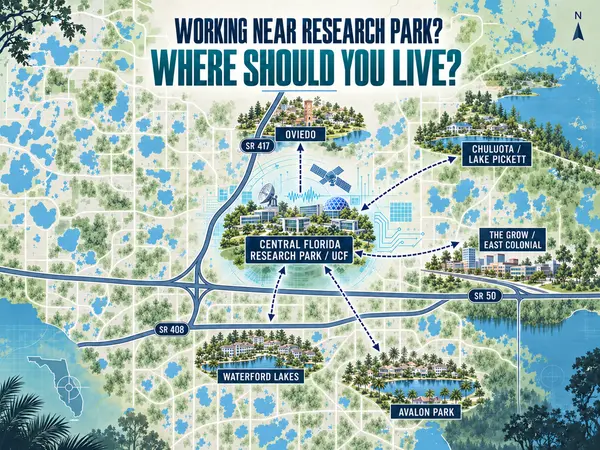
The Grow’s East Colonial Drive location may work particularly well for buyers connected to UCF, Central Florida Research Park, the east Orlando defense and simulation corridor or destinations toward the Space Coast.
Drive the route during the hours you will actually use it. A Saturday model-home visit does not replicate East Colonial on a weekday morning.
Think About Resale While Buying New
Potential resale factors include:
- Homesite position
- Floor-plan functionality
- Bedroom and bath configuration
- First-floor primary suite
- Garage and parking
- Upgrade choices
- Outdoor living space
- Proximity to amenities
- Future builder competition and incentives
- Completion of planned community features
- Association expenses
Frequently Asked Questions About Buying at The Grow
How much do homes at The Grow cost?
Pulte currently advertises homes across five collections beginning in the low $400,000s. Starting prices may exclude lot premiums, options, design selections, closing expenses and association fees.
Does The Grow have townhomes?
Yes. Aurora is currently marketed as the townhome collection. Verify maintenance responsibilities, fees, insurance, parking and leasing rules.
Does The Grow have a CDD?
Pulte currently advertises The Grow as having no CDD. HOA and other association expenses may still apply.
Is the farm included in the HOA fee?
Buyers should verify which farm programs are included and whether Farm Share, garden participation, events or classes require additional fees.
Are all amenities at The Grow open?
No. The community remains under development, and several amenities are planned for future phases. Request current written information.
Can I bring my own real estate agent?
Buyers may seek independent representation, but registration and compensation policies can change. Speak with your agent before the first visit.
Should I inspect a new Pulte home?
An independent inspection is worth considering. Confirm contractual access and discuss pre-drywall, final and warranty-period inspections with a qualified inspector.
The Bottom Line
The Grow may be an excellent fit for buyers who want distinctive new construction, access to East Orlando employment centers and a community genuinely organized around farming, gardens and outdoor connections.
Compare the complete price, select the lot carefully, understand the contract, verify the amenity schedule, test the commute and examine the long-term resale position.
Categories
Recent Posts







STAY UP TO DATE WITH THE MARKET